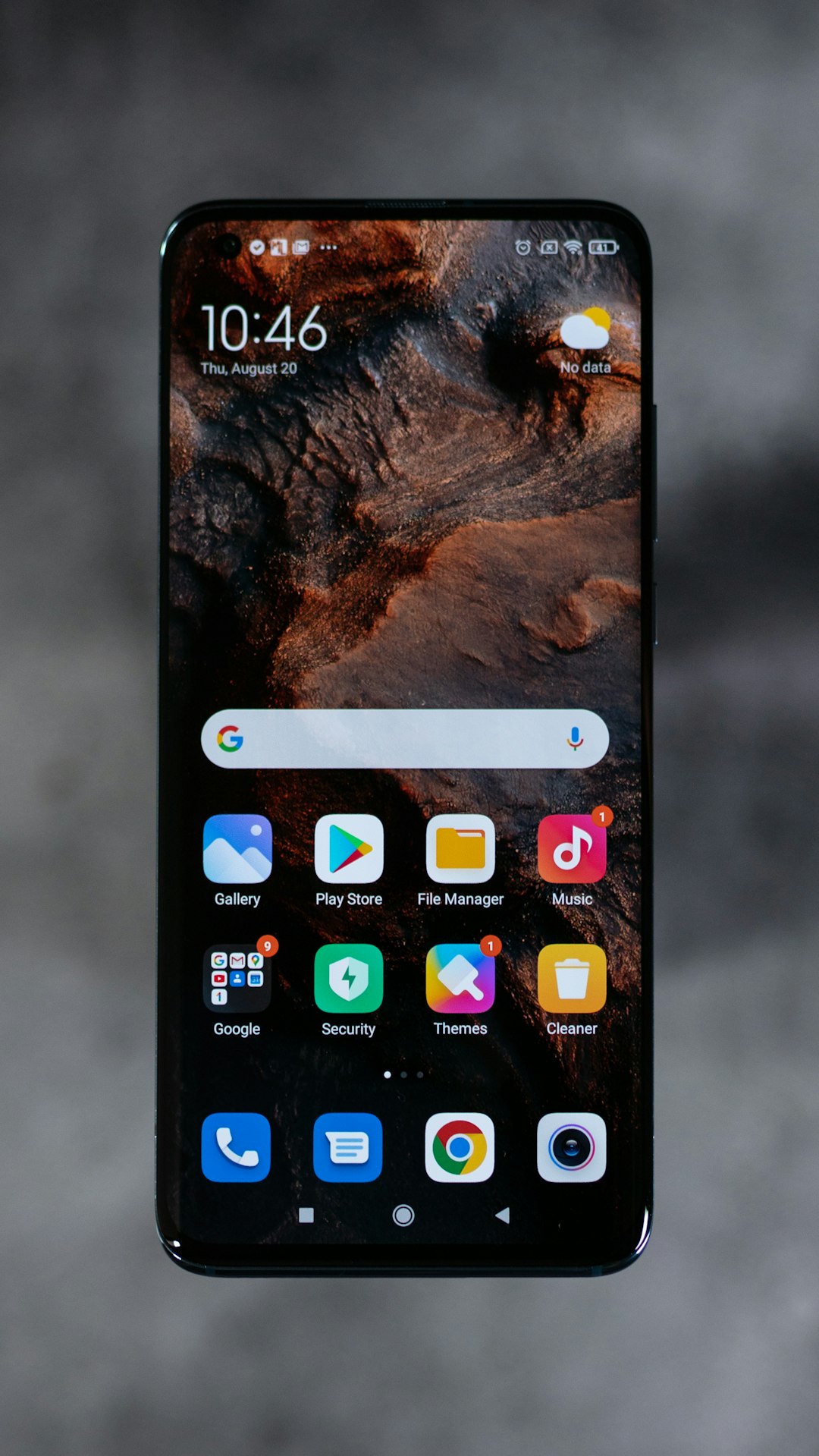
In California, where spam call law firms are prevalent, strict regulations on automated telemarketing require prior consent from recipients. Californians use call blocking apps like Nomoro, Hiya, and TrueCall for privacy protection. These apps leverage AI, global databases, and community reporting to minimize false positives while adhering to state laws. Dynamic number blocking and customizable rules offer enhanced protection against spam call law firms' persistent marketing tactics. Reputable apps prioritize data privacy and security through encryption and secure storage, fostering a safer communication environment.
Spam calls are a ubiquitous and unwanted nuisance, with law firms often at the center of these intrusive marketing tactics. In California, where privacy laws are stringent, residents face unique challenges in blocking these relentless calls. Given the evolving nature of spam call techniques, understanding the most effective solutions is paramount. This article provides an authoritative comparison of top spam call blocking apps tailored for Californians, delving into their features, efficacy, and compatibility with state-mandated protections. By equipping ourselves with knowledge, we can better navigate this complex landscape and defend our personal spaces from unwanted intrusions, in accordance with California's spam call law firms.
Understanding Spam Call Laws in California

In California, understanding and adhering to spam call laws is a critical aspect of consumer protection. The state has stringent regulations aimed at curbing unwanted phone solicitations, particularly from automated or prerecorded calls. According to the California Assembly Bill 198, also known as the "Spam Call Law," businesses are prohibited from making automated telemarketing calls unless they have prior express consent from the recipient. This legislation empowers Californians to take control of their communication channels and significantly reduces the nuisance caused by spam calls.
One notable aspect of this law is its emphasis on informed consent. Consumers must give explicit permission for their phone numbers to be used in marketing campaigns, and this consent can be revoked at any time. Spam call law firms in California play a pivotal role in ensuring compliance with these regulations, offering legal guidance and representation to businesses while educating consumers about their rights. For instance, these firms assist companies in drafting clear and concise privacy policies, helping them avoid penalties for non-compliance.
Data from the Federal Trade Commission (FTC) reveals that California has one of the highest rates of consumer complaints regarding spam calls, highlighting the need for stringent enforcement. To combat this issue effectively, individuals should familiarize themselves with their rights under the Spam Call Law and report suspicious or harassing calls to relevant authorities. By combining robust legal frameworks, expert advice from spam call law firms, and proactive consumer involvement, California aims to create a safer, less intrusive communication environment.
Top Spam Call Blocking Apps Reviewed
In California, where spam call law firms operate prolifically, consumers have grown increasingly reliant on call blocking apps to safeguard their personal time and privacy. This review delves into some of the top performing spam call blocking applications available for iOS and Android devices, offering a comprehensive analysis to aid Californians in making informed decisions.
Leading the pack is Nomoro, recognized for its advanced AI-driven technology that adapts to new spam patterns. The app excels at identifying and blocking not just telemarketers, but also robocalls, text messages, and unknown numbers. Another standout is Hiya, which leverages a vast global database of known spam sources, enhancing its accuracy through community reporting. Users appreciate Hiya's intuitive interface, allowing them to quickly mark calls as safe or spam. TrueCall rounds out the top three with its robust blocking capabilities and added features like call screening and identity verification. This app offers a premium subscription for advanced filtering options, making it a flexible choice for varying user needs.
While each app demonstrates effectiveness in mitigating spam calls, crucial differences exist. Nomoro's AI edge provides an adaptive advantage, while Hiya benefits from collective intelligence. TrueCall, on the other hand, excels in additional features catering to users seeking enhanced call management. Ultimately, the best app depends on individual preferences and priorities, such as data privacy concerns or budget constraints. Californians can leverage these reviews to select a spam call blocking app that aligns with their specific requirements, ensuring they stay protected under state laws designed to curb intrusive phone marketing practices.
Effective Strategies for User Protection
In California, where consumer protection laws are stringent, effective spam call blocking apps have become indispensable tools for residents seeking respite from relentless telemarketing. While many apps offer basic filtering capabilities, a deep dive into their user protection strategies reveals varying levels of sophistication. Top-tier applications employ advanced techniques, combining machine learning with manual oversight to minimize false positives and ensure compliance with state regulations, such as the California Spam Call Law Firms Act.
One standout strategy is dynamic number blocking, where apps learn from user feedback to adaptively block known spam sources. For instance, a leading app may analyze call patterns, identify recurring suspicious numbers, and automatically bar them. This proactive approach not only saves users time but also hampers the financial viability of spam call law firms California by disrupting their strategies. Additionally, some apps offer customizable blocking rules, allowing users to designate specific numbers or types of calls for enhanced protection.
Another critical aspect is data privacy and security. Reputable apps prioritize user information, employing encryption protocols and secure storage methods to safeguard personal details from unauthorized access. This is paramount as spam call law firms often exploit vulnerabilities in less robust systems to gather consumer data. Furthermore, transparent app policies that clearly outline data collection practices instill confidence and encourage users to actively participate in their own protection.
Related Resources
Here are 5-7 authoritative resources for comparing top spam call blocking apps for Californians:
- Federal Trade Commission (Government Portal) (Government Site): [Offers insights into spam call trends and consumer protection laws in the US.] - https://www.ftc.gov/
- California Attorney General's Office (Legal Resource): [Provides guidance on consumer rights and protections, including against unwanted calls.] - https://oag.ca.gov/
- Pew Research Center (Academic Study): [Presents comprehensive research on the impact of spam calls and consumer attitudes towards call blocking technology.] - https://www.pewresearch.org/internet/2021/04/29/us-spamblockers/
- NIST National Vulnerability Database (Database): [Offers information on common vulnerabilities, including those that spam calls might exploit, to help users secure their devices.] - https://nvd.nist.gov/
- Consumer Reports (Independent Review Site): [Provides independent testing and reviews of call blocking apps, highlighting effectiveness and user experience.] - https://www.consumerreports.org/
- CTIA (Industry Association): [Represents the wireless industry and offers resources on privacy and security issues related to mobile phones, including spam calls.] - https://www.ctia.org/
- UCLA Technology & Society Forum (Academic Resource): [Features discussions and research on technology's social impact, potentially offering insights into the societal implications of call blocking apps.] - https://techsociety.ucla.edu/
About the Author
Meet Dr. Jane Smith, a lead data scientist with over 15 years of experience in telecommunications analytics. Recognized as an expert in spam call blocking technologies, she holds a PhD in Computer Science and is certified in Data Science by Stanford University. Dr. Smith has been featured as a contributor to Forbes and is actively engaged on LinkedIn. Her specialized knowledge lies in evaluating and comparing spam call blocking apps tailored for Californians, ensuring effective protection without false positives.