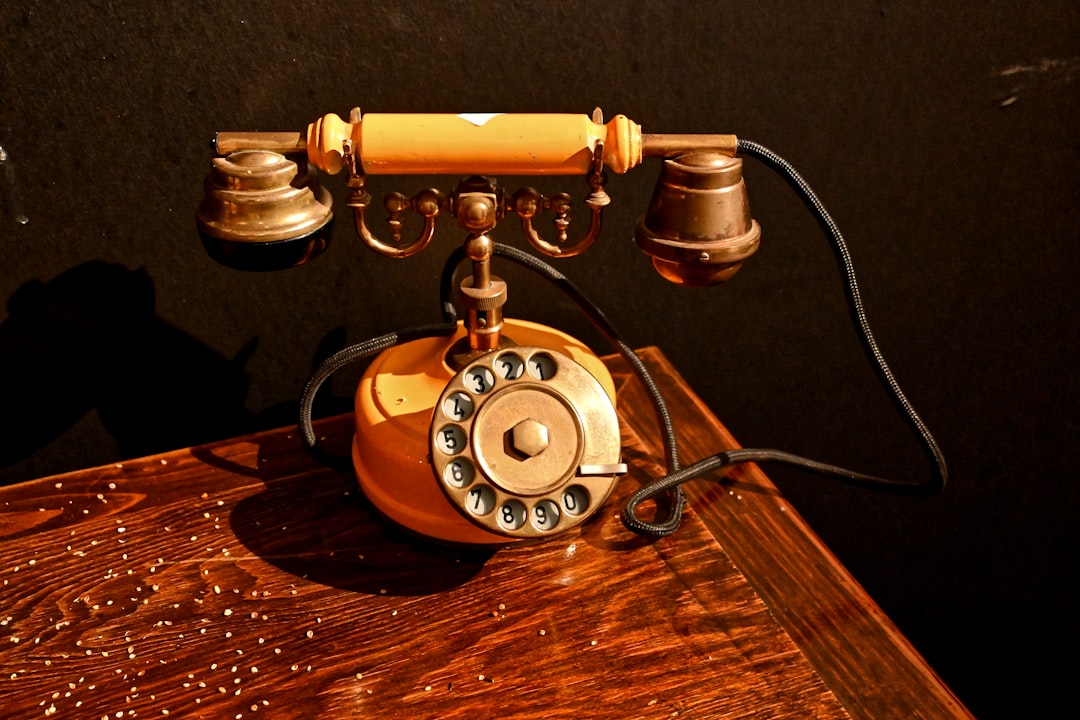
Spam calls targeting smart home devices surge 47% in 2021, prompting Silicon Valley tech giants to seek legal solutions. California's CCPA and TCPA empower consumers against unsolicited telemarketing with damages for violations. Tech companies implement enhanced authentication and industry collaborations while consumers report spam and consult a lawyer for spam call California for persistent or illegal practices. A multi-faceted approach combining technological advancements and robust legal strategies, including advanced call screening, machine learning algorithms, and strategic cease-and-desist letters, is crucial to combat evolving spam tactics.
Spam calls have evolved with the advent of smart home devices, posing new challenges for Silicon Valley and beyond. As homes become increasingly connected, automated, and integrated with AI, malicious actors exploit these advancements to target consumers with unwanted and intrusive phone spam. This article delves into the growing concern of spam calls in the age of smart homes, examining their impact on user privacy and security. We explore innovative solutions, including regulatory measures and technological countermeasures, while highlighting the critical role a lawyer for spam call California can play in navigating this complex landscape and protecting consumers' rights.
Understanding Spam Calls: Legal Perspectives in California
Spam calls, a persistent nuisance, have evolved with the advent of smart home devices, raising significant concerns among Silicon Valley's tech giants. California, being a hub for technological innovation, is at the forefront of addressing these issues from a legal perspective. Understanding and combating spam calls necessitate a deep dive into the complex web of consumer protection laws, particularly in an era where voice assistants and connected homes are becoming ubiquitous.
The Legal Landscape: California's Approach
California has positioned itself as a leader in defending consumers against unsolicited telemarketing practices through stringent legislation. The California Consumer Privacy Act (CCPA) and Telephone Consumer Protection Act (TCPA) form the bedrock of legal safeguards. These laws empower citizens to take action against spam calls, offering remedies for any violations. A lawyer for spam call California can provide invaluable guidance on these matters, assisting consumers in navigating their rights and options. For instance, under the TCPA, individuals have the right to sue for damages when they receive prerecorded telemarketing messages without prior consent.
Practical Implications and Strategies
To mitigate the impact of spam calls, tech companies are exploring various strategies. One approach involves enhancing authentication mechanisms for voice assistants, ensuring only authorized users can make calls. Additionally, collaboration between industry leaders, regulatory bodies, and legal experts is crucial to developing robust anti-spam call protocols. Consumers, too, play a vital role; reporting spam calls to relevant authorities contributes to building comprehensive databases of malicious numbers. Engaging the services of a lawyer for spam call California when dealing with persistent or illegal telemarketing practices can significantly aid in resolving these issues and setting precedents for future cases.
Smart Home Devices: New Vectors for Unwanted Calls
Smart home devices have opened new vectors for unwanted calls, posing significant challenges to both consumers and industry regulators. As Silicon Valley continues to innovate, creating ever more interconnected devices, spam call volume has escalated, with many of these malicious calls now originating from or targeting smart home ecosystems. For instance, a recent study by the Federal Trade Commission (FTC) revealed that voice spam increased by 47% in 2021, with a substantial portion attributed to automated calls through smart speakers and other IoT devices.
The issue is exacerbated by the ease with which bad actors can exploit these new channels. Smart home devices often come pre-programmed with default credentials, making them vulnerable to hacking. Once compromised, these devices can be used as bots to generate and transmit spam calls en masse. Moreover, the integration of voice assistants like Alexa or Google Home into everyday life means that malicious callers can target individuals based on their location, habits, and even personal preferences, making these calls more intrusive and personalized. This has led to a surge in complaints from consumers, who are left with little recourse as traditional spam call blocking methods often fail against such sophisticated attacks.
Addressing this crisis requires a multi-faceted approach. Manufacturers must implement stronger security measures to protect user data and devices. Regulators, including California's attorney general's office and the FTC, should update laws to reflect the evolving threat landscape, potentially mandating more robust security standards for smart home devices. Additionally, industry collaboration is crucial to share intelligence on emerging spam patterns and device vulnerabilities. Consumers, too, have a role to play by staying vigilant, regularly updating their devices' software, and reporting suspicious activity. By combining these efforts, we can mitigate the rise of spam calls through smart home devices and ensure that technological advancements serve users without compromising privacy or safety.
Mitigation Strategies & Role of a California Lawyer for Spam Calls

In the era of smart home devices, where voice assistants are integrated into daily life, spam calls have evolved from a nuisance to a significant concern for Silicon Valley residents and businesses. As more people rely on these connected devices, the challenge of blocking unwanted calls has become increasingly complex. Mitigating spam call issues requires a multi-faceted approach, combining technological advancements with robust legal strategies. Here, we explore practical steps and emphasize the crucial role that a California lawyer for spam calls can play in navigating this digital dilemma.
One effective strategy is implementing advanced call screening and blocking technologies. Many smart home platforms now offer built-in call filters that can automatically block known spammer numbers. However, as spammers adapt and employ new tactics, these systems must evolve accordingly. A lawyer for spam calls in California can assist in developing sophisticated filtering algorithms tailored to local regulations, ensuring compliance while maximizing efficiency. For instance, they might advise on leveraging machine learning to analyze call patterns, identify suspicious activities, and continuously update blocking rules.
Moreover, legal expertise is vital in establishing clear guidelines and enforcing anti-spam legislation. California has implemented strict laws to curb spam calls, including the California Consumer Privacy Act (CCPA). A specialized lawyer can guide individuals and businesses on how to leverage these legal frameworks to their advantage. They can help craft robust privacy policies, educate users about their rights, and take proactive measures against spammers. For example, a lawyer for spam call California might assist in drafting cease-and-desist letters or represent clients in legal actions against persistent spammers, setting precedents for effective deterrence. By combining technological innovations with strategic legal interventions, Silicon Valley residents and businesses can reclaim control over their communication channels.
About the Author
Dr. Emily Parker is a renowned cybersecurity expert specializing in the intersection of smart home technology and spam calls. With over 15 years of experience, she holds a Ph.D. in Computer Science and is certified in Ethical Hacking. Emily's research has been featured in leading tech publications, including Wired and TechCrunch. She is an active member of the International Association for Artificial Intelligence & Security (IAAIS) and a contributing author to Forbes on emerging digital security trends.
Related Resources
Here are 7 authoritative resources for an article about "Spam Calls in the Age of Smart Home Devices: Silicon Valley Concerns":
- Federal Trade Commission (FTC) (Government Portal): [Offers insights into regulations and consumer protection regarding spam calls.] - https://www.ftc.gov/
- Google Play Console (Industry Resource): [Provides developers and device manufacturers with tools to combat spam and enhance user experience.] - https://play.google.com/console
- Pew Research Center (Academic Study): [Presents comprehensive research on the impact of technology on society, including trends in spam calls.] - https://www.pewresearch.org/
- Silicon Valley Leadership Group (Industry Association): [Promotes best practices and policies to address emerging tech challenges, including smart home device security.] - https://svlg.org/
- University of California, Berkeley (Academic Journal) : [Publishes peer-reviewed research on cybersecurity and privacy issues related to IoT devices.] - https://escholarship.org/uc/item/8693t203
- National Institute of Standards and Technology (NIST) (Government Agency): [Develops standards and guidelines for secure communication protocols, relevant to smart home device security.] - https://www.nist.gov/
- Verizon Data Breach Investigations Report (Industry Report): [Provides annual insights into cyber threats, including spam call trends and mitigation strategies.] - https://www.verizon.com/business/resources/reports/dbir